Advanced Painting Techniques for Weatherproof Roofs
Townsville's tropical climate is tough on roofs. Intense UV radiation, summer humidity, monsoon downpours and the occasional cyclone put coatings and substrates under constant stress. A roof that is painted and sealed properly can reflect heat, shed water efficiently and last years longer. This guide covers advanced painting techniques that help roofs stay weatherproof in North Queensland conditions, along with the related maintenance work that supports a lasting finish.
Why Roof Painting Matters in Townsville
Townsville receives some of the highest solar exposure in Australia, and its wet season can deliver heavy rainfall in short bursts. Over time, these conditions cause chalking, fading, blistering, rust on metal sheeting and mould growth on tiles and concrete surfaces. A quality roof coating does more than improve appearance. It acts as a protective membrane that:
- Reflects solar heat and reduces internal temperatures
- Seals hairline cracks and minor surface defects
- Prevents water ingress and corrosion
- Resists mould, algae and lichen growth
- Extends the service life of the underlying roofing material
Homeowners and property managers often look for comprehensive painting sealing that treats the whole roof system rather than just the visible surface. That approach gives the best long-term results.
Step One: Inspection and Assessment
Before any paint goes on, a thorough inspection should identify existing problems. Painting over damage only hides it temporarily. A certified roof repair professional will check for loose fasteners, corroded sheets, cracked or slipped tiles, failed flashing and sagging gutters. In older homes, an asphalt shingle replacement or cedar shake replacement may be needed if the material has deteriorated beyond what coating can fix. Though less common in Townsville than metal and concrete tile roofs, these materials do appear on some properties.
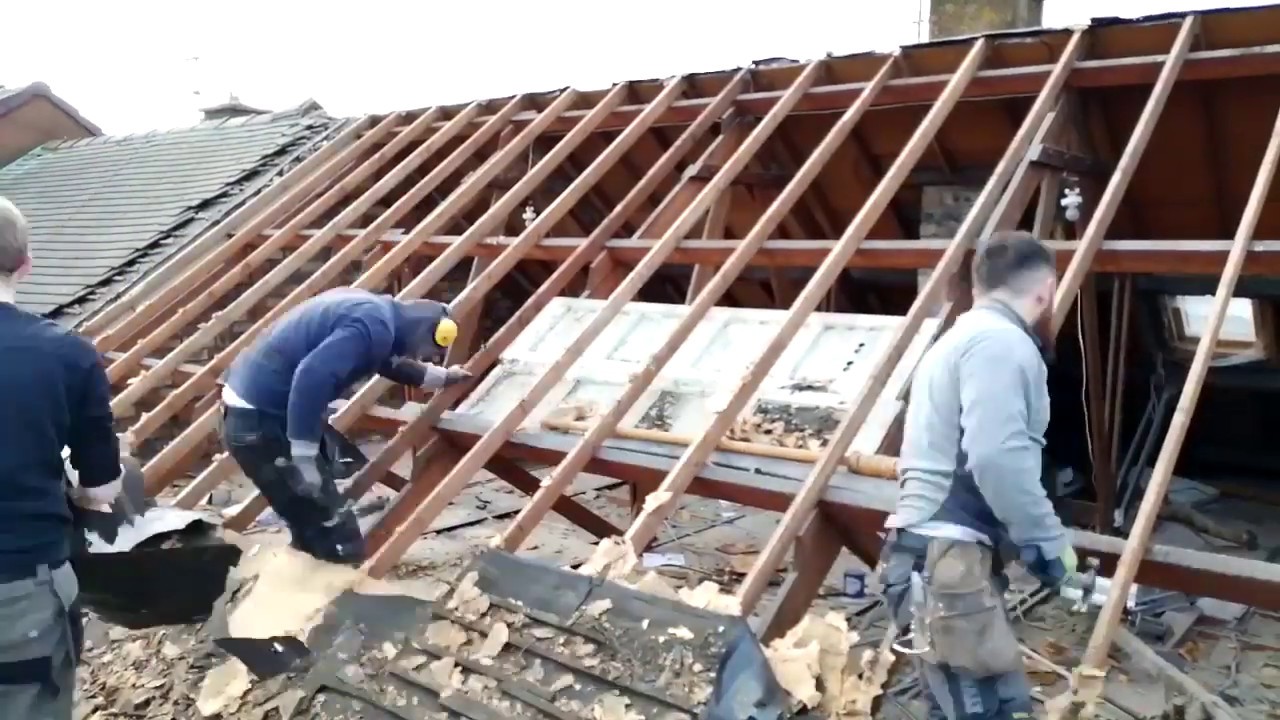
For larger buildings, commercial roofing inspections often include moisture mapping, thermal imaging and a review of drainage layout. This is especially useful for flat or low-pitch roofs, where ponding water can quickly undermine a coating.
Surface Preparation: The Foundation of a Lasting Finish
Preparation accounts for most of a coating's performance. Skipping steps is the most common reason paint peels or blisters within a couple of seasons.
Pressure Cleaning
High-pressure washing removes dirt, chalky residue, moss, mould and loose paint. In humid North Queensland, a biocide or fungicidal wash is often applied afterward to kill spores that survive rinsing. The roof should then dry fully before any coating work begins.
Rust Treatment and Metal Repair
On Colorbond and galvanised steel roofs, rust spots must be wire-brushed or ground back to sound metal. A rust converter or zinc-rich primer is then applied. Corroded fasteners should be replaced with new, correctly rated screws and fitted with sealing washers.
Crack and Joint Sealing
Flexible sealants are used around penetrations, ridge capping, laps and flashings. For tiled roofs, cracked ridge bedding may need to be removed and replaced with flexible pointing. This is a form of comprehensive sealing solutions that reduces the risk of leaks during heavy tropical rain.
Choosing the Right Coating System
Not all roof paints are equal. The best option depends on the roof material, its condition and the building's use.
Acrylic Roof Coatings
High-quality water-based acrylic membranes are popular for metal and tile roofs. They are flexible, UV-resistant and available in reflective formulations. Lighter colours with high solar reflectance can noticeably reduce roof surface temperature.
Elastomeric Membranes
Elastomeric coatings stretch and recover as the roof expands and contracts with temperature changes. They bridge fine cracks and suit low-slope and concrete roofs, making them a common choice for commercial roof solutions.
Polyurethane and Silicone Systems
These are often used where ponding water or heavy foot traffic is a concern. Silicone coatings in particular tolerate standing water well, though they need careful surface preparation and are generally more specialised to apply.
Primers and Bonding Coats
Using the correct primer for each substrate improves adhesion. Metal needs corrosion-inhibiting primers, while porous concrete tiles usually need a sealer or bonding primer that stabilises the surface and reduces absorption.
Advanced Application Techniques
Professional painters rely on proven methods to achieve even coverage and the specified film thickness.
- Airless spray application: Delivers consistent coverage over large areas and helps reach tile profiles and corrugations. It should be applied only in calm conditions to limit overspray.
- Back-rolling: Rolling over freshly sprayed coating works the product into the substrate and improves adhesion.
- Multi-coat build-up: Two or more coats applied at the manufacturer's recommended spread rate build the dry film thickness needed for weather resistance.
- Detail brushing: Edges, flashings, valleys, skylights and penetrations are brushed by hand to guarantee full coverage.
- Weather timing: Painting is scheduled for the dry season, typically from around May to October, with attention to morning dew, humidity and afternoon storm risk.
Heat Management: Coatings, Attics and Ventilation
A reflective roof coating works best alongside good airflow. In Townsville, roof cavities can become extremely hot, which strains air conditioning and shortens the life of building materials. Combining painting with advanced ventilation techniques offers stronger results. Options include attic ventilation installation, attic ventilation repair, powered or wind-driven roof vents and customized roof ventilation layouts that suit the roof shape and orientation.
Together, these measures support attic heat reduction and effective attic cooling methods. A comprehensive roof venting plan balances intake and exhaust, which helps prevent trapped moisture and condensation as well as heat build-up.

Gutters and Drainage: Protecting the Coating
Even the best paint job can fail if water is not directed away properly. Overflowing or sagging gutters allow water to back up under roofing edges, causing rust, rot and staining. Advanced gutter solutions and comprehensive drainage solutions should be considered at the same time as roof painting.
- Damaged gutter repair: Fix leaks, loose brackets and cracked joints before coating work begins.
- Aluminum gutter repair: Aluminium resists corrosion well but can dent or separate at joins, so sealing and re-fixing are common repairs.
- Copper gutter maintenance: Copper is durable but benefits from periodic cleaning and joint checks, and it should be isolated from dissimilar metals to avoid galvanic corrosion.
- Commercial gutter services: Larger buildings often need high-capacity gutters, box gutters and overflow provisions suited to intense tropical rainfall.
Many property owners choose comprehensive gutter services that combine cleaning, repair, resealing and, where needed, replacement as part of a wider maintenance plan.
Brickwork and Wall Considerations
Many Townsville buildings pair roofing with brick or rendered walls, and moisture issues in the walls can undermine a roof's performance. Where roofs meet brick parapets, chimneys or facades, weatherproofing needs to cover both surfaces. Common related services include:
- Brick repointing services, brick joint repair and brick mortar restoration to stop water penetrating through failed joints
- Brick mortar replacement and brick expansion joint repair where movement has caused cracking
- Brick facade repair, brick deterioration repair and brick erosion control for weathered or spalling surfaces
- Brick wall weatherproofing using breathable sealers that protect against moisture while allowing the wall to release vapour
- Brick structural repair and brick wall reconstruction for walls with serious damage
Regular brick wall maintenance supports brick structural integrity, and appropriate treatments can contribute to brick durability enhancement and improved brick thermal insulation. When painting is planned for a wall, a comprehensive wall repair process should always come first.
When Painting Isn't Enough
Coatings are a maintenance and protection tool, not a cure for every problem. If a roof has widespread corrosion, brittle tiles, extensive leaks or structural movement, advanced roof repair or comprehensive roof repair is the better first step. In severe cases, a complete roofing replacement or comprehensive roof replacement may be more cost-effective than repeated patching. A certified roof reroofing or comprehensive roof reroofing project can also be worthwhile when upgrading insulation, ventilation and sheeting at the same time. For new builds and extensions, complete roof installation allows coating, ventilation and drainage to be planned together from the start.
Commercial Roof Painting and Maintenance
Warehouses, shopping centres, schools and industrial buildings across Townsville have large roof areas, which makes coating performance very important. Commercial roof repair combined with commercial painting sealing can extend roof life, reduce cooling costs and defer the expense of replacement. A comprehensive roof maintenance program, with scheduled inspections, cleaning, and recoating, helps facility managers plan budgets and avoid emergency repairs after storms.
Compliance and Safety in 2026
Roof work in Queensland must follow work health and safety requirements, particularly for working at heights. Fall protection, edge protection and safe access are essential. Coating products should meet relevant Australian Standards, and building owners should confirm that contractors are licensed and insured. Following a cyclone or https://roofrestorationtownsville.com.au/roofing-ventilation-systems/ severe storm, it is wise to have a roof assessed before recoating, as hidden damage to fixings and sheeting is common. With energy efficiency a growing priority in 2026, reflective coatings and improved ventilation are increasingly popular, and this trend is expected to continue into 2027 and beyond.
Maintenance Tips After Painting
- Inspect the roof twice a year, ideally before and after the wet season
- Keep gutters, valleys and downpipes clear of leaves and debris
- Trim overhanging branches to reduce abrasion and organic build-up
- Wash the roof gently when mould or dirt appears, and avoid harsh pressure on cured coatings
- Touch up scratches or damaged areas promptly
- Keep records of products used, coverage and warranty terms
Choosing a Townsville Roof Painting Professional
Look for a contractor with local experience, clear written quotes and a detailed scope of work covering cleaning, repairs, primer, coating type, number of coats and warranty. Ask about their approach to preparation, how they manage weather delays and whether they can coordinate related work such as gutter repairs, ventilation upgrades or masonry restoration. A provider offering comprehensive roofing services can streamline the project and help ensure every component of the roof system works together.
Final Thoughts
Advanced painting techniques make a measurable difference to how well a roof handles Townsville's heat, humidity and storms. Careful inspection, thorough preparation, the right coating system and proper application are the keys to a weatherproof result. When paired with sound drainage, effective ventilation and well-maintained walls, a quality roof coating helps protect your property and keeps it more comfortable year-round. If your roof is showing signs of wear, arrange a professional assessment to find out which combination of repair, coating and maintenance is right for your building.
Townsville Roof Restoration Experts
9/141 Ingham Rd, West End QLD 4810, Australia
(07) 4801 8032